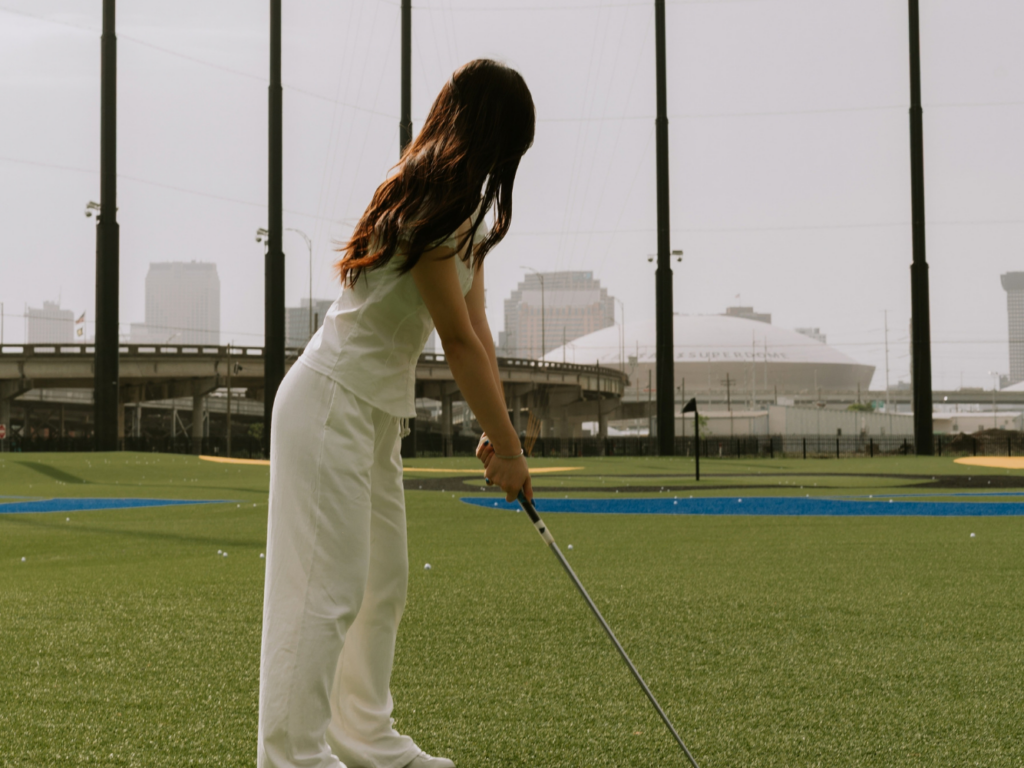
To many people, golf is much more than a sport. It’s a hobby, a personal challenge, a social activity, and, for some, even a form of therapy. Whether played on a championship course or via the latest simulator technology, golf continues to attract millions of participants across the country. The beauty of the game is that it combines competitiveness, relaxation, and personal development into one experience.
In many sports, success in golf is not dependent on teammates or opponents; it is rather a challenge against yourself. Every golfer wants to improve. Whether it is lowering a handicap, hitting a straighter shot, or sinking more putts, there is always something else to aim for. That never-ending search for better is one reason golfers keep coming back year after year.
“Golf is one of the few activities that bring together competition, relaxation, exercise, and social connection in the same experience,” remarked Glen G., one of Five O Fore Golf regulars.
Golf is a game of physical talent and mental focus. Each shot has a different level of difficulty. Players have to consider distance, weather, course layout, club selection, and strategy. Even for pros, it takes years of practice to develop a game and adapt to varied scenarios. The learning process doesn’t really finish.
The social part of golf is just as vital. Golf is commonly used to spend quality time with friends, family, coworkers, and business professionals. There are a few sports that offer the opportunity to compete while also talking, forming relationships, and creating memories.
A new generation has been exposed to the game by modern golf entertainment venues. Golf has never been more accessible thanks to venues like our very own Five O Fore Golf. If you don’t want to spend four or five hours on a regular round, guests can experience virtual golf in a relaxed indoor environment. Beginners can learn the fundamentals without intimidation, and expert golfers can hone their skills year-round.
For guests, Five O Fore has a lot more to it than just golf. Food, drinks, music, sporting events, and entertainment create an atmosphere where everyone can have fun regardless of their ability level. The venue has over 70 digital screens throughout, so guests can watch their favorite teams while playing games with friends, co-workers, or family.
Golf is definitely a great sport for mental health advantages as well. Many participants say the game is a way to escape from everyday pressures. The required concentration for each shot helps promote mindfulness, allowing players to focus on the present moment. Research has shown that exercise, social interaction, and outdoor recreation can help to reduce stress and increase well-being.
Perhaps the best thing about golf is trying for the perfect stroke. Even on a tough round, one great drive, chip, or putt may shift your whole mood. Those experiences are memories and keep players interested for their next round.
Golf participation is up nationwide, indicating that people still see value in the game. Golf is still one of the most inclusive and satisfying hobbies for recreation, enjoyed by the young player learning the game to the seasoned golfer chasing his or her personal bests.
Nation-Wide Impact By the Numbers
Direct economic impact: approximately $102 billion annually. This includes golf course operations, equipment sales, lessons, tournaments, travel, apparel, media, and related spending.
Employment supported: more than 1.65–2 million jobs nationwide.
Golf tourism spending: about $40 billion annually.
Participants: more than 47 million Americans engage with golf on- or off-course, including driving ranges and entertainment venues.
At the end of the day, there is literally something for everyone. Whether you want to compete, mingle, improve your abilities, network professionally, or just have fun, golf offers an experience like no other.
I would bet that the love of the swing keeps on increasing with each generation.